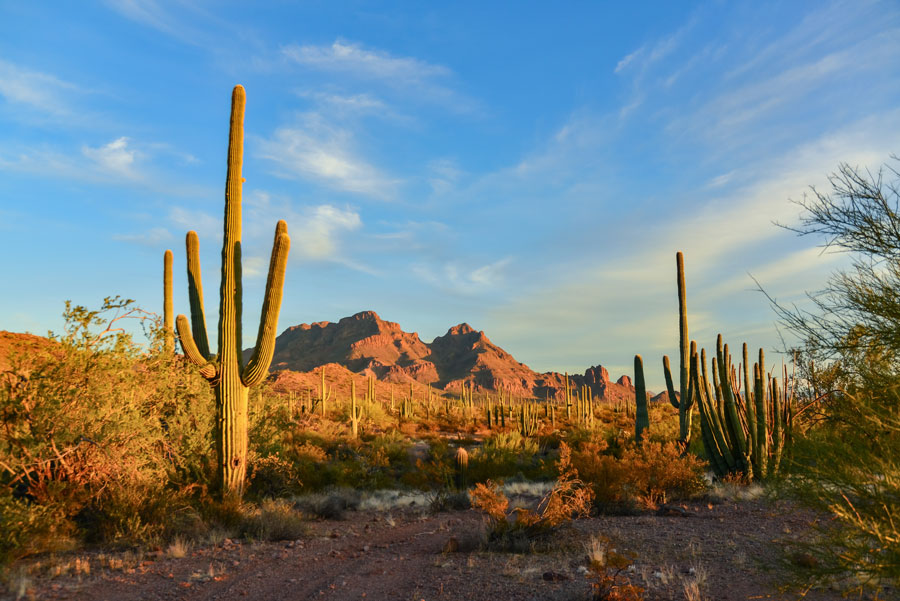
A dear friend is trading the snowy East Coast for the sun-drenched landscapes of Tucson, and I couldn’t be happier for her. Back home, she was shoveling snow drifts off her deck to prevent a collapse, while her horse was staged in a stall to avoid the icy stable grounds.
Now, she wakes up to fresh air, night sounds, and birdsong filtering through an open window. Her horse has officially declared Arizona “the place to be,” spending his days running full speed in the arena and rolling in the sand. But as she prepares to close on her new home, I realized she needs more than just a housewarming plant—she needs a desert survival kit.
In the Sonoran Desert, we have a different set of “unexpected skills” than our northern friends. Here is what I’m tucking into her welcome basket to help her navigate her new prickly neighbors.
Tongs, Tools, and… Welding Gloves?
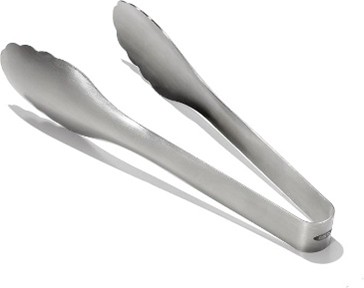
The first item in the basket is a pair of metal salad tongs. While they’re great for a Caesar salad, these are strictly for outdoor use. Many desert plants, especially our iconic cacti, are armed for defense with dangerous spines. Tongs allow you to handle or move debris while maintaining a safe distance. The best part? Spines don’t stick to the metal.
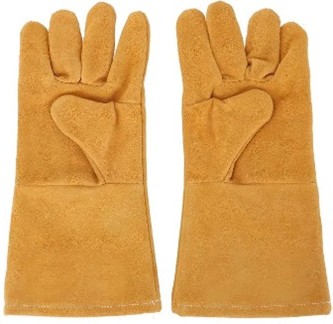
Next up: welding gloves. When I first moved to Oro Valley and saw massive displays of welding gloves at Home Depot, I naively wondered if we had a sudden boom in the local welding industry. I quickly learned the truth. These heavy-duty gloves are essential for handling prickly plants and protecting your hands from “superheated” metal when the thermometer climbs above 100 degrees!
The Art of the “Cholla Fling”
One item I learned about the hard way is a simple hair comb with a handle. I recommend drilling a hole in the handle and attaching a string so you don’t drop it—especially if you’re on horseback.
What is the comb for? Removing “jumping” cholla (Cylindropuntia fulgida). These hitchhikers impale anything they touch. A comb allows you to flick the clumps off without using your hands. Just a word of advice from a true story: be very careful where you fling them. You don’t want to send a prickly surprise toward another horse or rider!
I’ve had my share of “cholla moments,” including a time my horse backed into a patch and I ended up pinned to the ground by spines from my face to my knees. In those moments, your comb becomes your best friend.
The Elmer’s Glue Secret
While large spines can be pulled out with tweezers, some cacti have “glochids”—tiny, hair-like barbed spines that are nearly impossible to grab. For these, I’m giving my friend a bottle of Elmer’s glue.
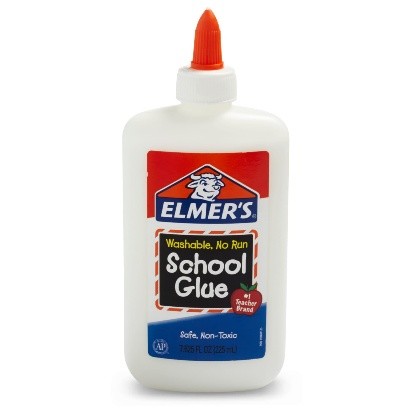
If you get bumped into a prickly pear patch, simply coat the affected area with a thin layer of glue. Let it dry, add another layer, and once it’s a solid sheet, peel it off. It takes the tiny spines right along with it. It’s the most satisfying “de-spining” method I know.
Advice from the Ground Up
Finally, I’m offering some seasoned advice: ditch the sandals. While they’re tempting in the heat, the desert floor is just as hazardous as the plants. Between the rocks, spined ground cover, and the occasional rattlesnake sunning itself on the path, long pants and sturdy boots are the local uniform for a reason.
The Sonoran Desert is a challenging, prickly, and utterly amazing place to live. I suspect my friend will be puzzled when she opens her basket, but out here, a pair of tongs is worth its weight in gold!
Respect the Rattle! Understanding our desert neighbors is the best way to stay safe. If you want to teach your children (or your new-to-Arizona friends) about our local ecosystem, check out my book Don’t Make Me Rattle! It’s a great way to learn why the rattlesnake is such a vital part of our environment: Get your copy here!