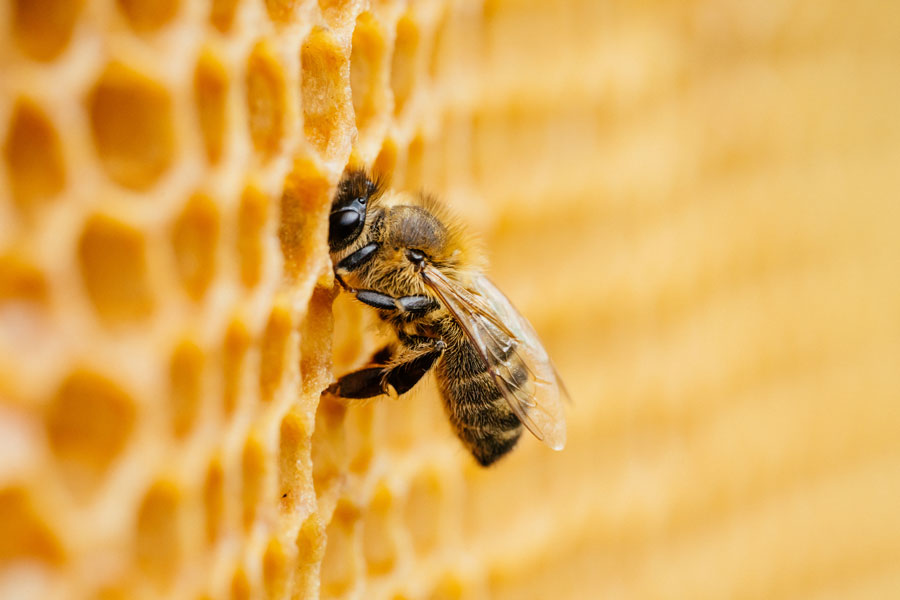
In writing about the horses introduced by the conquistadors being an invasive species—even though they have become intertwined with Western U.S. and indigenous cultures—I got to thinking about another introduced, and perhaps invasive, species: the honeybee (Apis mellifera).
Yes, our agriculturally important honeybee was introduced and can be considered invasive because of its impact on native North American bee species. Honeybees compete with native bees for resources, carry diseases, and change pollination patterns. So, while honeybees are necessary for our human agriculture, they negatively impact native ecosystems. Who knew?! Should we be concerned?
A Long History of Human Movement
Honeybees were brought to North America by European settlers in the 17th century. This is over 100 years later than horses were released, as mentioned in my previous blog. These honeybees were required for the crops being grown for human consumption. Many of those crops were also brought from other continents; humans have been moving food crops around the world for centuries.
Competition and Disease
Honeybees compete with native pollinators for nectar and pollen, which can result in less healthy native plants. This impact on plant health ripple through entire ecosystems. Along with “stealing” food from native bees, honeybees can transmit diseases, like deformed wing virus. This leads to the loss of native species that have developed specific, ancient relationships with our local plants.
The Problem with “Save the Bees” Campaigns
But honeybees have been around for so long—surely, we should preserve them, right? They’re considered part of our culture and essential to our agriculture. Unfortunately, media campaigns that encourage people to become backyard beekeepers to “save the bees” often do so to the detriment of the local ecosystem.
Beekeeping is a hobby or a form of animal husbandry, not a conservation practice. By focusing only on honeybees, the public remains unaware of the needs of native species. While native bees benefit from “bee-friendly” habitats, it is often not enough to offset the sheer volume of honeybees.
Livestock by the Billions
Just how bad is it? Because they are so small, honeybees are not usually thought of as livestock, but they are. There are about 3 million honeybee colonies in the U.S. With around 30,000 bees per colony, that means there are around 90 billion honeybees on the continent—far more than the human population!
Honeybees are generalists, while many natives only interact with certain plants. When honeybees take all the food, there is nothing left for the specialists. A study in the Canary Islands showed the disruption of the interaction between plants and pollinators can be seen within just one day after honeybees are released.
Native Bees in Arizona
What native bees are impacted here in the Sonoran Desert? The high number of honeybees overwhelm the foraging areas of native solitary ground bees, such as sweat bees, miner bees, and leafcutter bees, especially in urban areas. These native ground bees have developed pollination relationships with specific native plants that are already under threat from pesticides and habitat loss. Adding honeybee competition only increases the decline of these plants.
Are the benefits to mankind of the introduced honeybee worth the damage to the native ecosystems? It’s a question worth buzzing about.
Learn more about the unique animals of the Sonoran Desert and beyond and how we can protect them! Check out my picture books focused on conservation.