We were assigned a new booth location at the Tucson Festival of Books this year. For the past two years, we enjoyed a corner booth on the grass along one of the main drags. However, we often wondered if being on the paved area directly in front of the Children’s Village would bring better foot traffic, especially since my books range from pre-K to Young Adult.
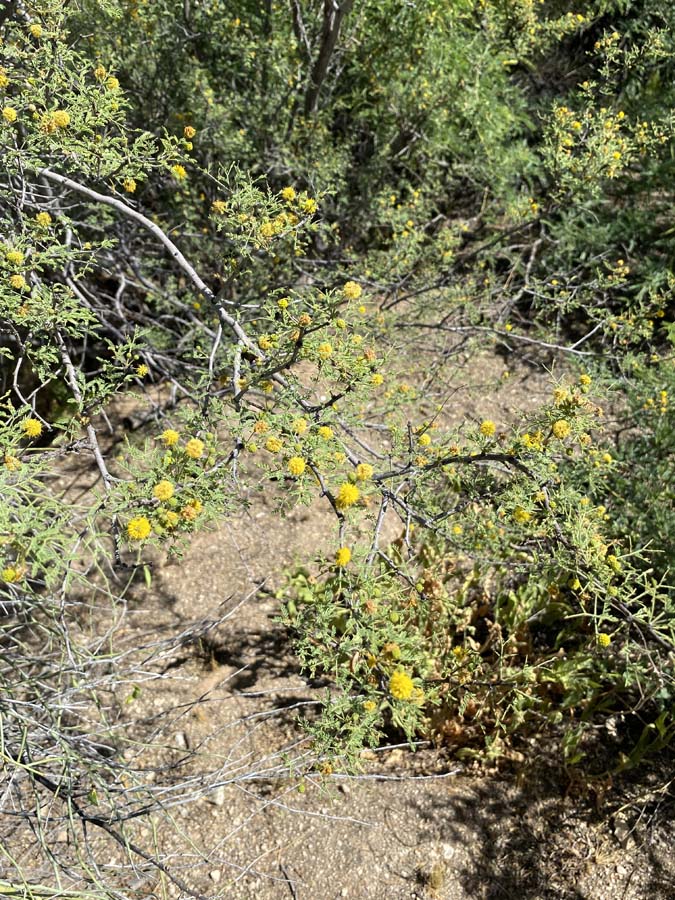
This year, we got our wish! We were assigned a paved spot in the courtyard. It seemed like the perfect location for families strolling by with wagons and strollers. While one boothmate missed the soft grass beneath her feet, I appreciated the smooth surface for the crowds. We even had lovely shade provided by Sweet Acacia trees (Vachellia farnesiana).
Everything was perfect… until the breeze picked up.
The Yellow Rain
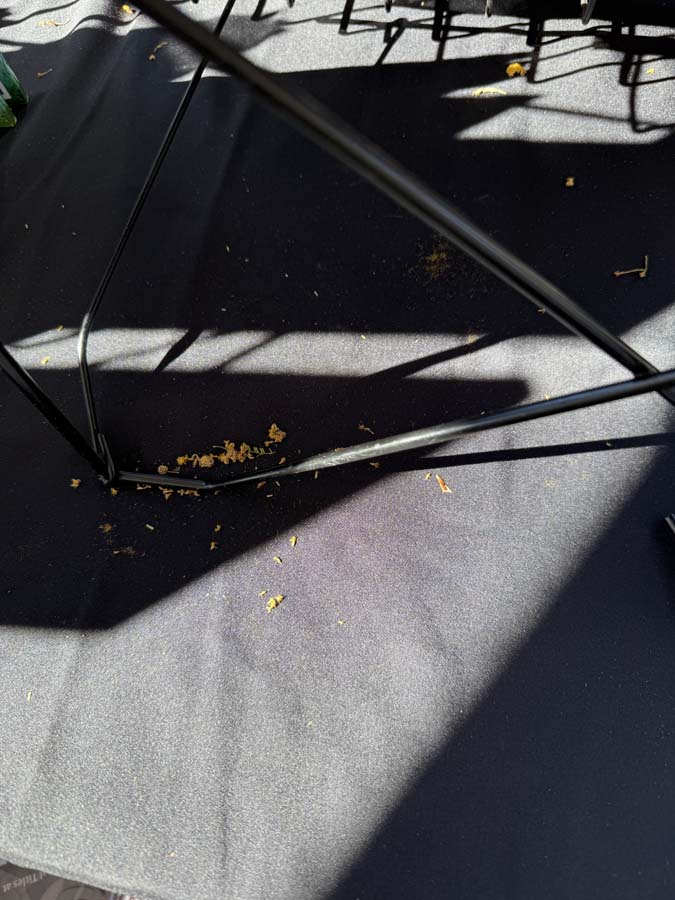
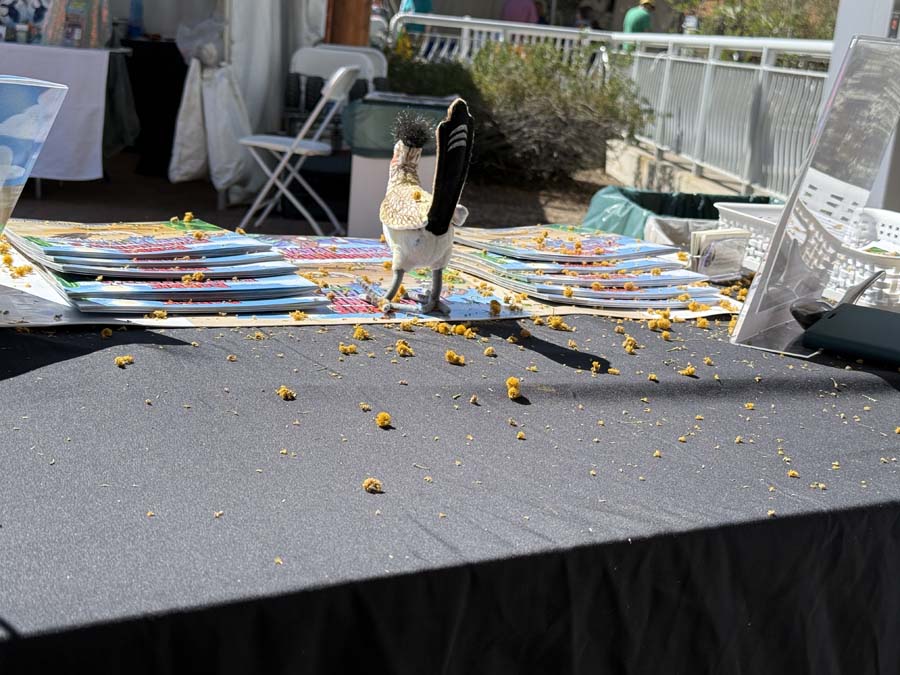
The acacias were in full bloom with thousands of small, yellow “puffball” flowers. These blossoms are known for being fragrant, fuzzy, and bright yellow—but when the wind blew, they became tiny floral missiles. Every gust sent a rain of yellow balls down upon us, covering every flat surface in sight.
Not only was the pollen bright and plentiful, but it was also surprisingly sticky. We had covered our tables with various colored cloths, and the black cloth turned out to be the most unfortunate choice. One of my boothmates spent the day gallantly trying to scrape them off, but the sticky pollen smeared across the dark fabric. We spent both days shaking yellow flowers off our books!
Biology of the “Attacker”
Naturally, I had to identify the tree assailing us. Using my iNaturalist app, I confirmed it was indeed the Sweet Acacia (Vachellia farnesiana). To our chagrin, we discovered these trees are native to the Sonoran Desert. We really wanted to be able to blame an invasive species for the “yellow fluffy rain,” but this one belonged here!
As a biologist, I have to respect the species:
- Drought Tolerant: They are incredibly hardy, which is vital for our desert climate.
- Low Maintenance: They thrive in poor soil, making them a practical choice for a university campus.
- Ecologically Important: The flowers are popular with pollinators, and many mammals eat the seed pods.
While I am grateful for the shade the Sweet Acacia provided, I didn’t necessarily appreciate its enthusiastic reproductive efforts landing all over my display!
Did you miss us at the festival? You can still find all the “pollen-free” versions of my books, including the Curtis Curly-tail series and the “Don’t” series, right here: https://elaineapowers.com/my-books/