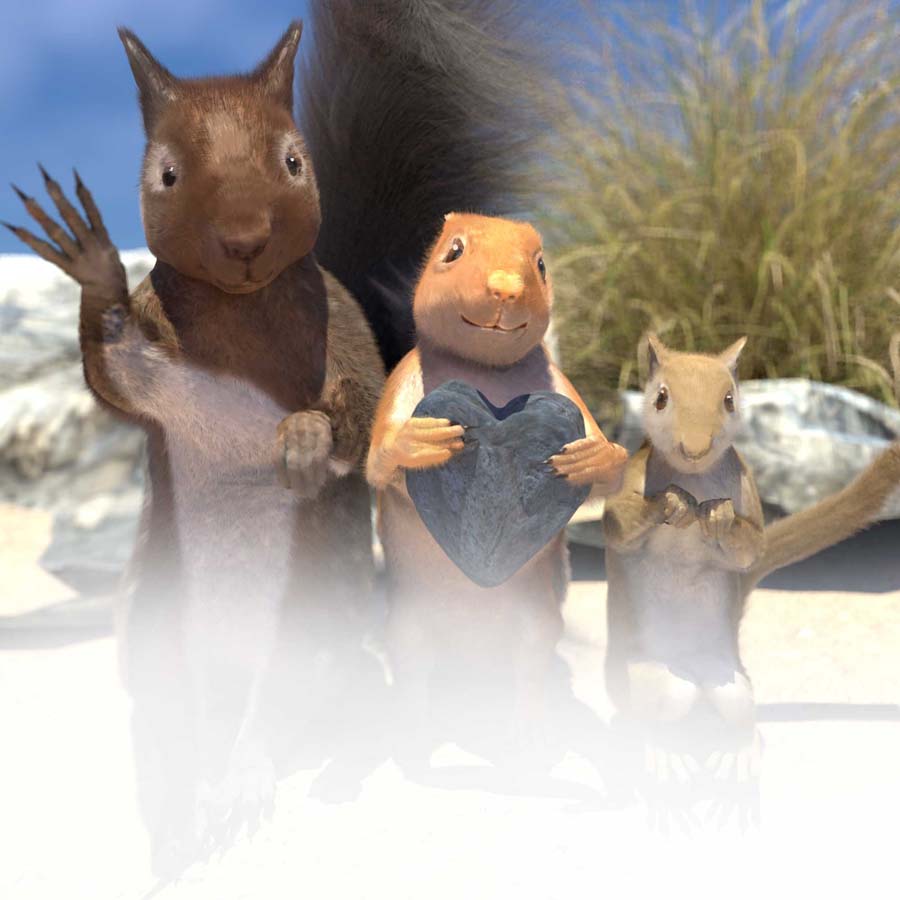
Growing up in the Midwest and Northeast, I always enjoyed the antics of the squirrels. These fluffy fellows are part of the “tree squirrel” group, which is just one of three types—the others being ground squirrels and the so-called “flying” squirrels. Of course, flying squirrels don’t actually fly (bats are the only mammals capable of true flight), but they have specialized flaps of skin for gliding.
In cities and rural areas alike, tree squirrels are often considered pests because of their agility at raiding birdfeeders. I’ve seen people set up elaborate obstacle courses for them to traverse, but squirrels are clever; they utilize everything from manmade structures to power lines (sometimes with fatal results) to gain the upper hand. Over $150 million is spent each year trying to modulate their actions. Personally, I think it’s an effort in futility!
Memories of the Stash
I’ve always found tree squirrels quite attractive with their thick fur and bushy tails. I loved seeing the various colors in my neighborhood: brown, red, gray, and black.
One of my favorite memories was a year a yard squirrel stored his walnuts on the second-story porch of my house. I helped myself to a few, but I left his sizeable stash for his enjoyment. He would scamper up the stairs to eat them throughout the snowy months. People often ask what squirrels do during winter. They don’t hibernate; they just tuck themselves away in their dens. That’s why it’s so important for them to remember where they buried their nuts! Of course, the “forgotten” nuts sprout in the spring, which helps maintain our forests.
Discovering the Squirrels of the Sonoran Desert
When I moved to Tucson, my house had been empty for over a year, so I was greeted by plenty of local wildlife. While I loved the reptiles, I was also charmed by the mammals. I saw kangaroo rats, pack rats, and creatures that looked like tiny prairie dogs or chipmunks. I soon learned that in the low elevations of the Sonoran Desert, we only have ground squirrels.
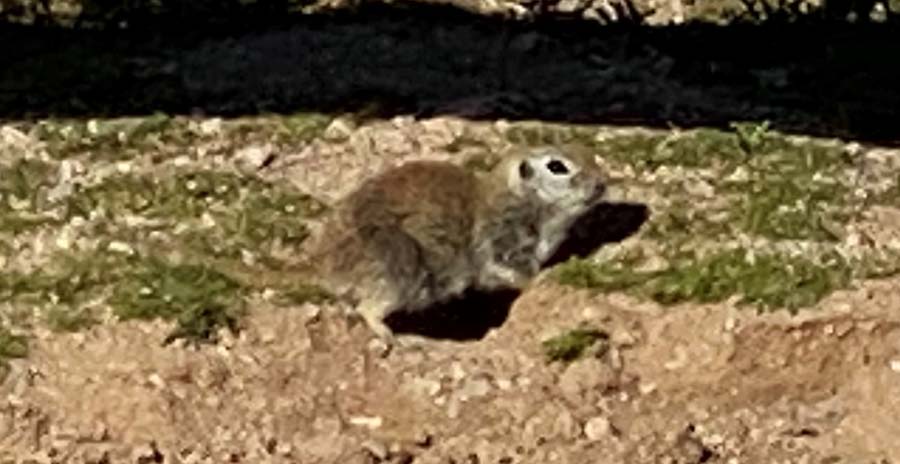
The “little prairie dogs” in my yard were actually Round-tailed Ground Squirrels (Xerospermophilus tereticaudus). They spend their days digging through my yard, leaving piles of loose dirt—an impressive feat considering our ground is hard-packed sand and caliche (a cement-like substrate). Plants struggle to break through caliche, but these squirrels have no problem!
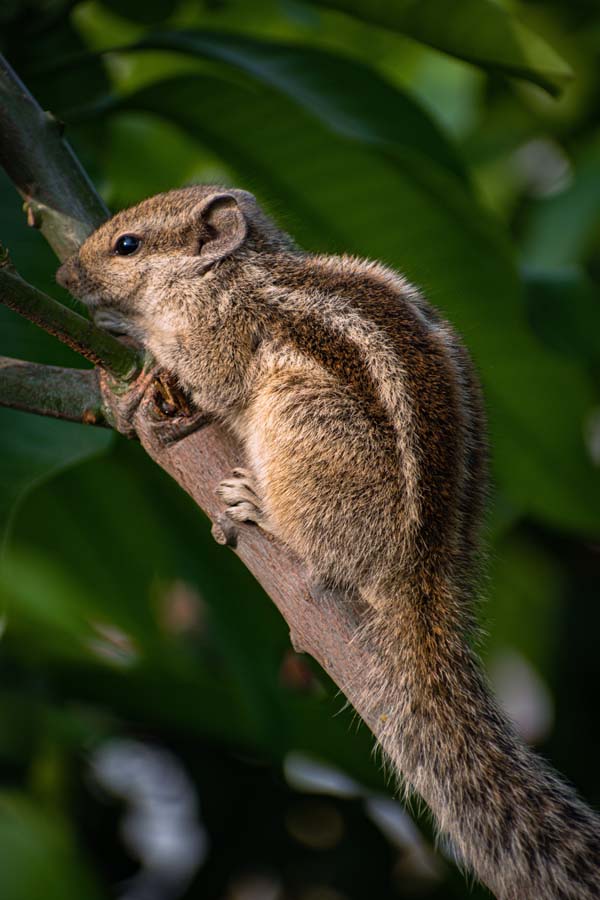
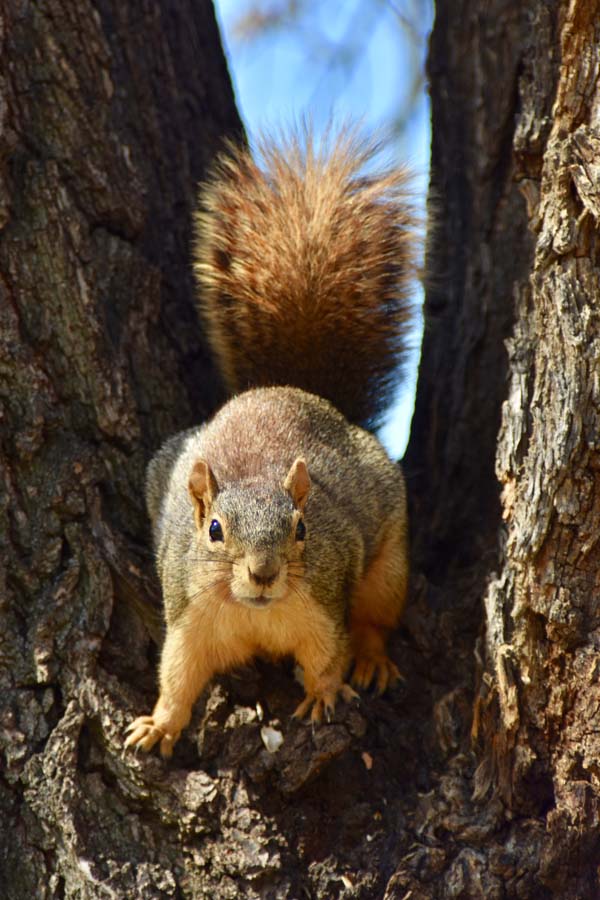
Then there was the “chipmunk” scampering about: the Harris’s Antelope Squirrel (Ammospermophilus harrisii). Their tunnels aren’t quite as obnoxious as the Round-tails’. For one year, I even had a visitor I thought was a tree squirrel, but it turned out to be a Rock Squirrel (Spermophilus variegatus). Even though they spend time in my mesquite trees, they are still ground squirrels.
Tougher Than Your Average Squirrel
These desert dwellers have a more varied diet than the tree squirrels of my youth—and they are much tougher. They regularly deal with hungry rattlesnakes, but they don’t back down. In fact, ground squirrels have been known to kill and eat rattlesnakes!
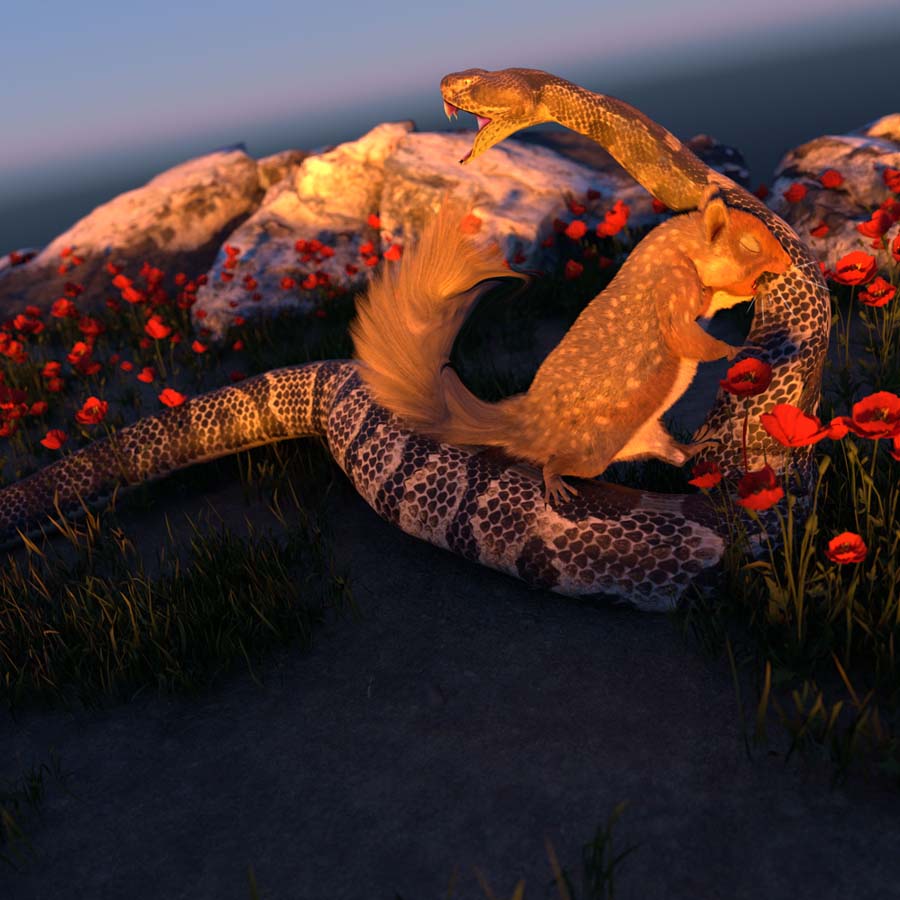
They are also perfectly adapted to the heat. That fluffy tail on the Rock Squirrel? It’s used as a built-in umbrella to provide shade. I was asked by the Sabino Canyon educational group to write a book about these fascinating animals, and I’m so glad I did. They play an integral role in our ecosystem.
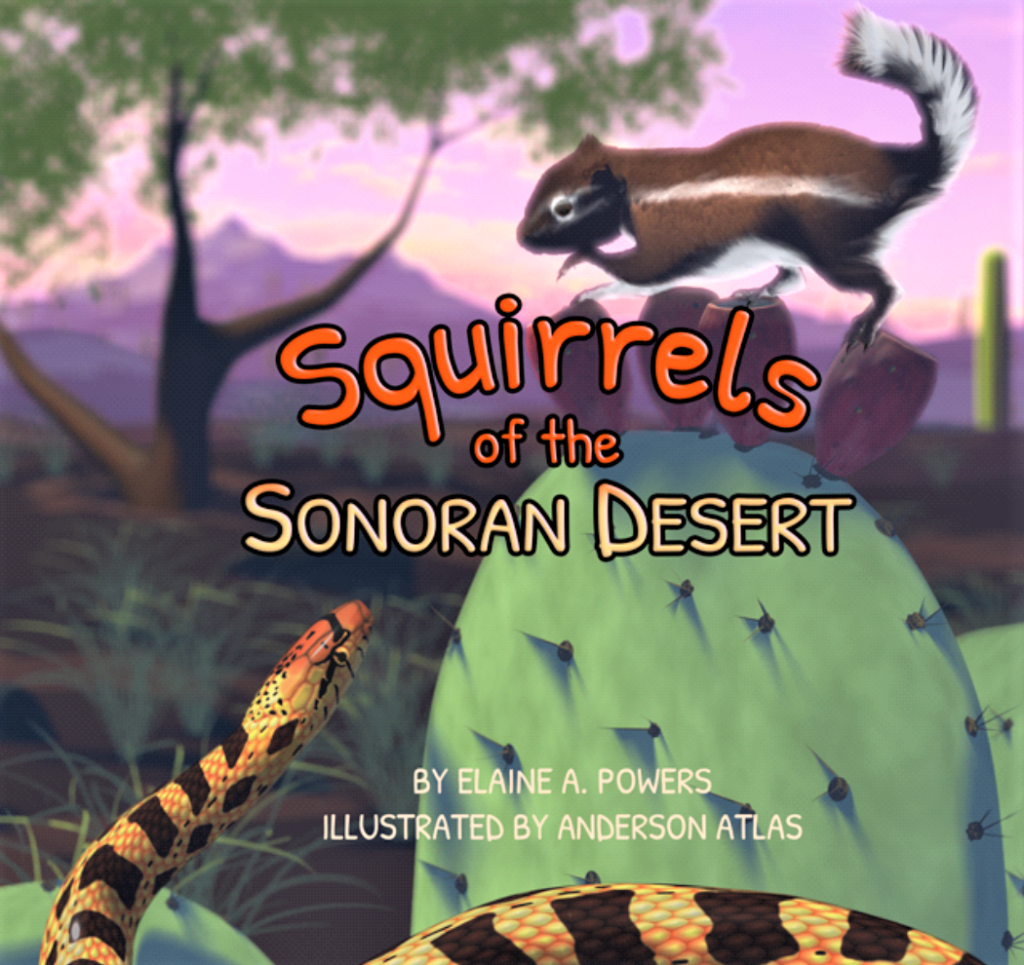
So, on January 21, join me in celebrating National Squirrel Appreciation Day—whether they be tree, ground, or flying!
Explore the Wonders of the Sonoran Desert Want to learn more about the tough and tiny residents of the desert? From my book on Squirrels of the Sonoran Desert to the rest of the “Don’t” series, there is so much to discover about our unique ecosystem. Browse my Sonoran Desert Book Collection here!